METTLE MAKER #512: the 12 Habits of the Ghost Scout
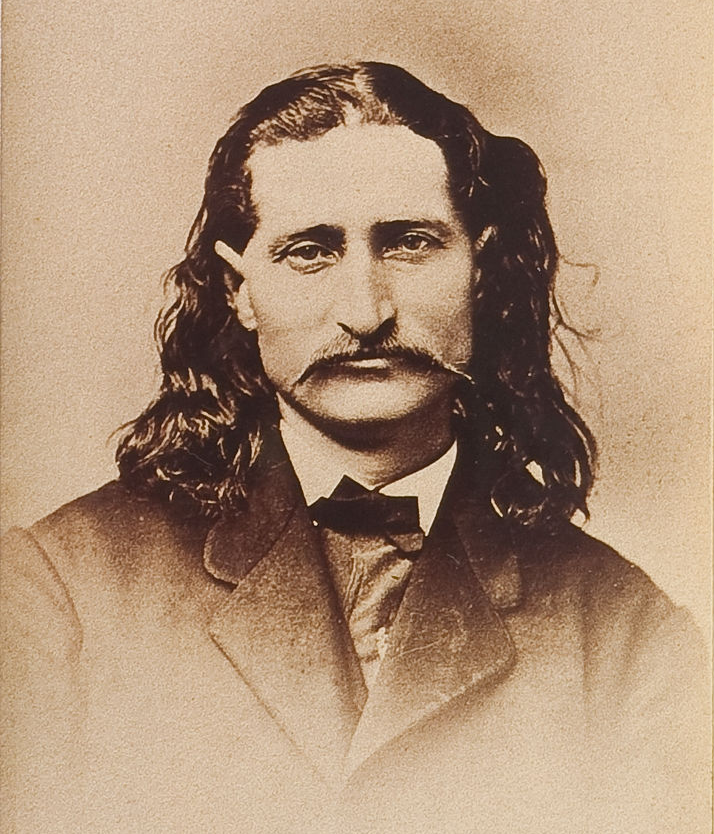
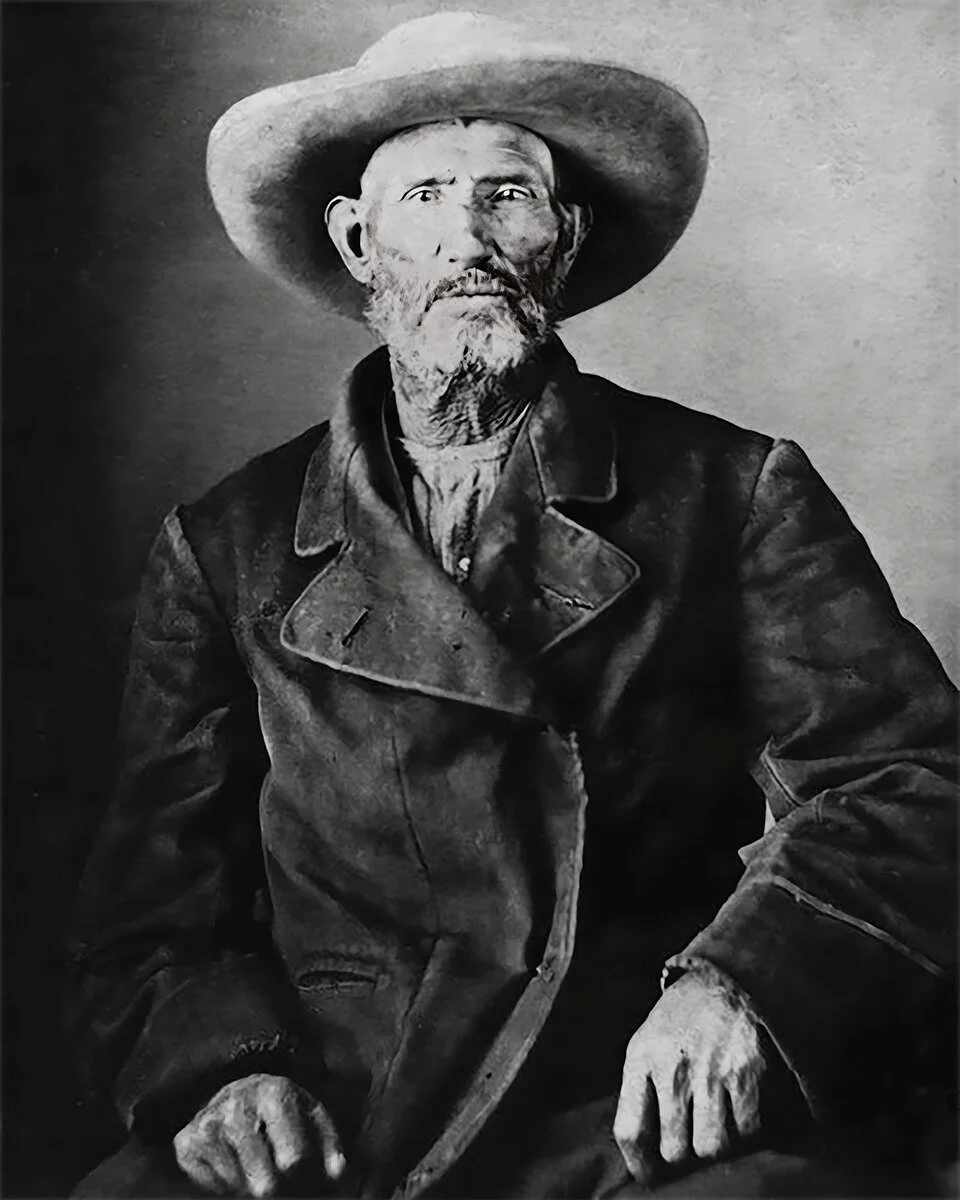
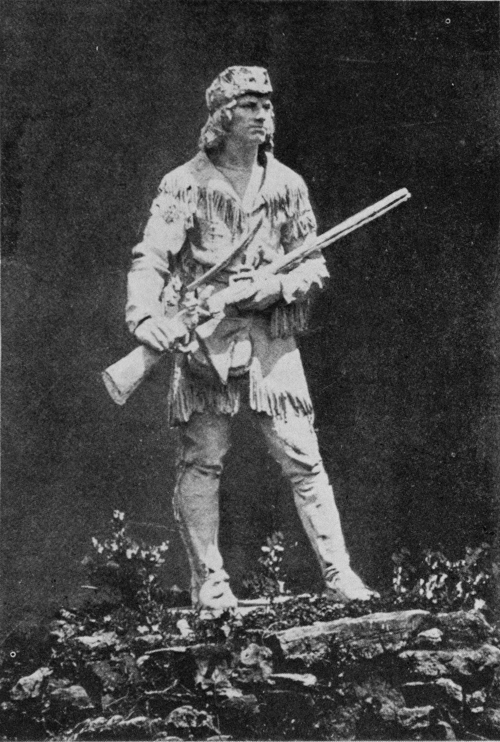
A scout is a soldier or guide who goes ahead of the group, party, platoon or force to see what lies ahead and bring back intelligence regarding terrain, weather conditions, resources, hazards, enemy numbers, positions, and fortifications, and so on. The skills involved are observational, physical, mental, and dare I say spiritual. You don’t just go out there, look around, and come back – unless of course it’s tied limp and dead across the back of somebody’s horse or stone cold in the bed of a jeep.
If you want to be skilled enough to hold a beer for the likes of legendary frontier scouts like Kit Carson, Medal of Honor recipient Buffalo Bill Cody, Jim Bridger, Wild Bill Hickok, Frank North, or Daniel Boone, you must strive to be a ghost: only seen or heard when desired, and terrifying when manifested.
But be warned. You can’t cultivate the skills of the ghost scout with self-consciousness, paranoia, hyper-vigilance, or concentration. You can only do so by building the right habits. As Mark Hatmaker says, you don’t need to be paranoid about car accidents to be as safe as possible while driving. All you need to do is cultivate safe habits like buckling your seatbelt, checking your mirrors before changing lanes, obeying road signs, and so on.
Now, before you start bitching about this list being incomplete, in putting it together I have assumed that you are already buttoned up with regard to the basics, like never sitting with your back to the door, always knowing your escape route, and so on.
This is next level material that either transcends the basics or fills in common gaps.
The 12 Habits of the Ghost Scout
1. Move as quietly as possible at all times. This doesn’t mean skulking (although you should practice that often). It just means that whether you are warrior walking for exercise, making your way through a shopping mall, taking a stroll in the woods, waking up the morning and going into the kitchen for a cup of coffee, or what-have-you, make an effort to move silently. You will know you are making progress when you start to inadvertently startle people. My wife has been heard to say, “For heaven’s sake, tie bell around your neck!” Over time it will become a habit to step on dirt rather than leaves, to memorize and avoid creaking boards in your home, and so forth.
2. Set down objects as silently as possible. What if someone you can’t see is watching you? Make it a habit to put down a coffee cup, pen, plate, cup, anything as soundlessly as possible.
3. Don’t put your hands in your pockets. Ever. I should not have to say more.
4. Don’t fidget. Never jiggle your feet, drum, pace, or any of that.
5. Don’t talk to yourself. Do not whistle, hum, or sing unless you are in the company of others or your trying to avoid surprising a bear or moose.
6. Say less, and do so quietly. Be sparing and reserved in your speech habits. This is the hardest one for me. I love to chat, and I’m a loud talker. Hope springs eternal. Someday I will master this.
7. Cut your smell. Avoid cologne, stinky soaps, and so forth. Avoid pungent detergents and fragranced dryer sheets. If you must use tobacco, so with snus. It’s the safest, and least smelly, of all tobaccos.
8. Exit with empty hands and scan the horizon. The only thing you should have in your hand when you exit a vehicle or building are your keys. When you exit, scan the horizon. Stow cargo and packages in the trunk or back seat so that you don’t have your hands full of stuff when you get out of your car. Look left and right. Then get your stuff and go about your way.
9. Hide weapons and resources in your personal space. Scouts were famous for their concealed, buried, tucked away caches. Put some cash in a hollow book, a cinnamon tin in your spice rack, or in a box of nails in the garage. Have two or three gun safes, with only one in plain view. Weapons are tools, and tools are weapons. You don’t need to be outwardly bellicose to be prepared. In fact, I don’t carry a knife for self-defense anymore – just a flashlight as a force concentrator if needed. Put a hefty wrench in your glove box and a multi-tool in your laptop bag. Put an awl in the junk drawer, and hefty screw driver behind your mother’s picture on the fireplace mantel. Catch my drift?
10. Don’t skip training sessions. Scouts didn’t work nine-to-five Monday through Friday. They were deep in the middle of hostile territory for months at a time, trapped behind enemy lines for weeks, and away from home for years. The least you can do is not miss scheduled training sessions unless there is a serious emergency or a death in the family. If something comes up and you are pinched for time, reduce your training time and only do a portion of what you have scheduled for that time slot. But don’t skip.
11. Contemplate. This is not airy-fairy nonsense. It is the central skill of both hunter and hunted: the ability to sit silent and motionless for long periods of time while keeping the sensorium open, quieting internal dialogue, and thinking about absolutely nothing. This is the Western equivalent of the shikantaza or “just sitting” of Zen Buddhism. The word contemplation is made up of the Latin con (“with, together, from”) + templum (“a space set aside for sacred activities”). If Daniel Boone, aged 82, could lie still in the underbrush for three weeks without being found by Indian war parties, you can practice contemplation daily for at least 10 minutes.
12. Be curious. The final and most critical habit is the cultivation of a curious spirit. This is why the first virtue of Heritage Rough ‘n’ Tumble is Wonder. See here – you can’t be hyper-vigilant. You can’t turn it on. The only way to possess incredible powers of perception is to develop your curiosity such that you notice things naturally. Be inquisitive about your neighbors. Being curious about trees and birds will keep you looking up. Learning about clouds and their weather messages will get you looking beyond the foreground. Studying animal tracks will help you notice the ground before you (and make you a better hunter too).
Want more American Rough ‘n’ Tumble goodness? Click here to sign up today for our distance learning program!
Sacred Reading for Sunday, 8/23/26
Click here to sign up for daily motivational text messages!
...
Click here to sign up for daily motivational text messages! ...

Lectio Divina is an ancient way to interact with the Bible. Its four elements are reading, meditation, contemplation, and prayer. CLICK HERE for the Sunday Lectio exercise. To watch daily mass, CLICK HERE. For daily gospel reflections in your email box, SIGN UP HERE.
Or even better, go to church. The old-timers did, and it’s their steps we’re following in, right? So put on a collared shirt and saddle up.
In other news, the new t-shirts are in. If you want to make a donation to the charity, we can definitely get you one! Just click here.


