News and Updates:
Member referral program. Distance learners who get a friend to sign will earn a feat in the program — and you’ll both get a free shirt. Just tell them to put your name in the “referred by” slot on the application. Members in the RVA club, bring a friend and the same goes for you!
METTLE MAKER #505: Habitude 4 of the Founding Fathers
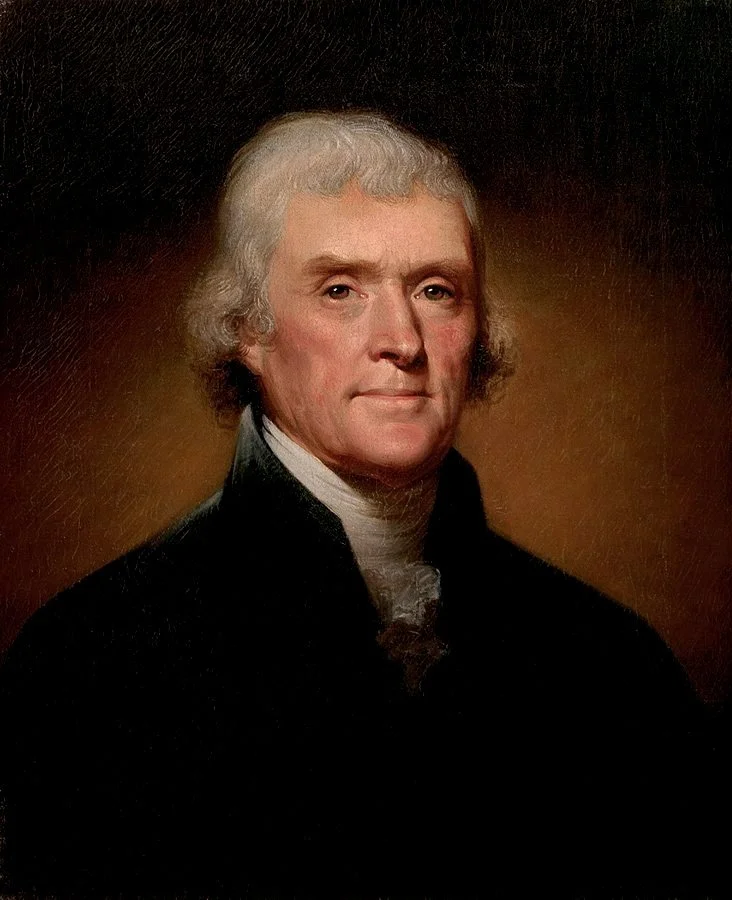
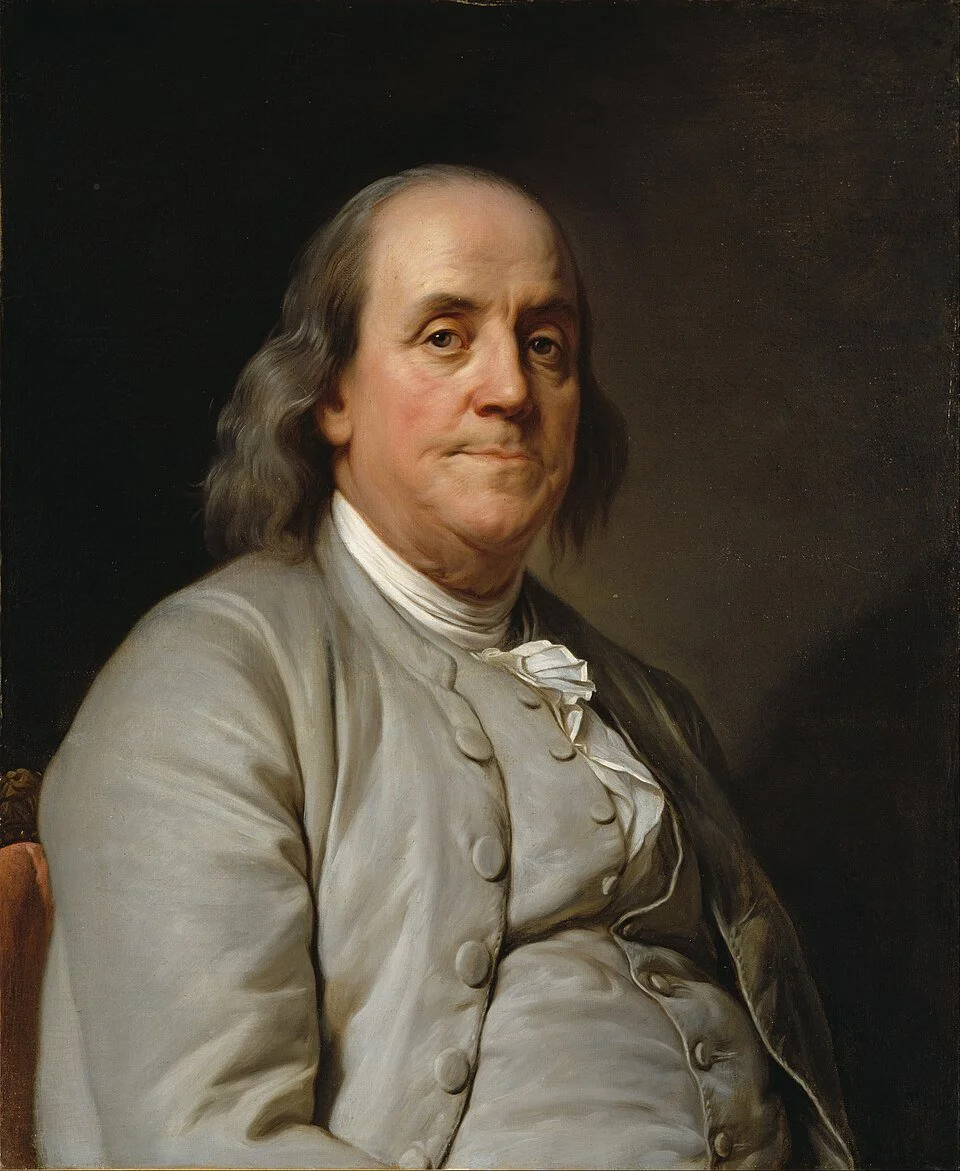
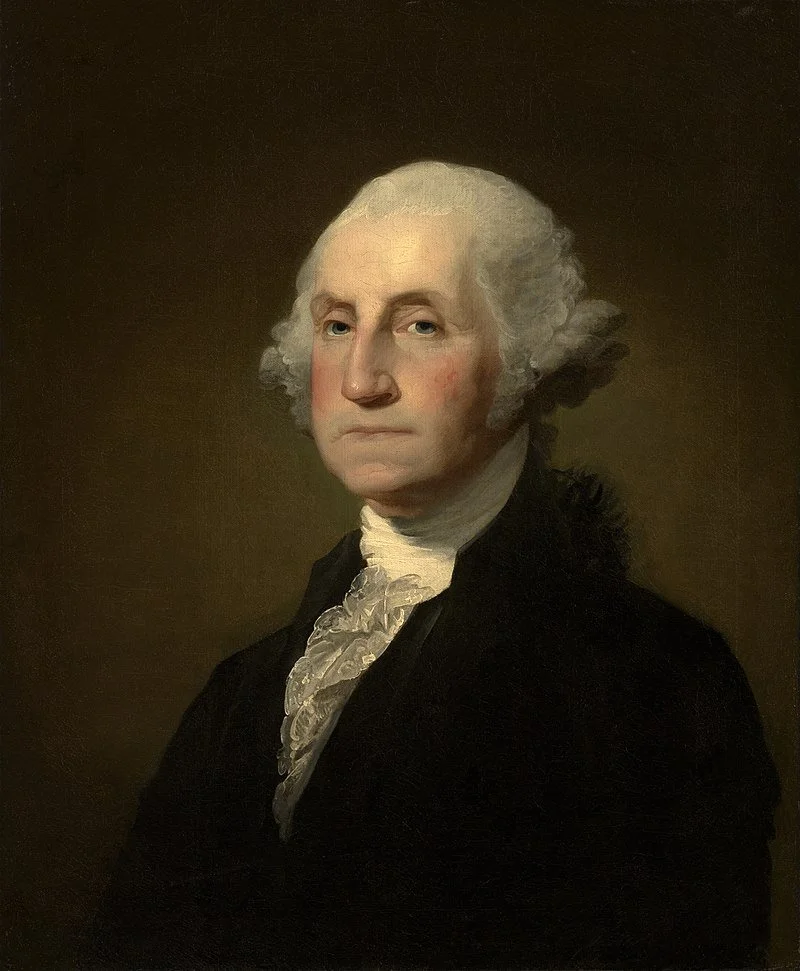
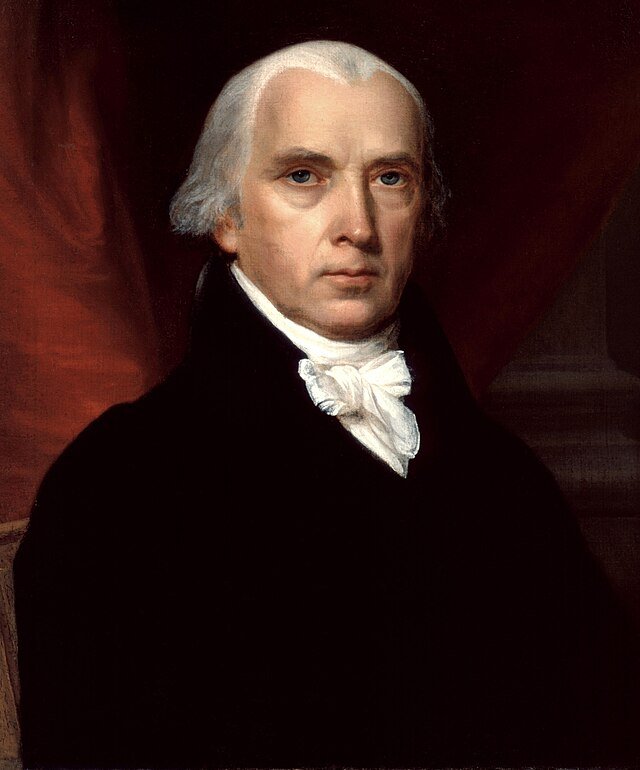
Join us in cultivating the 7 Habitudes of the Founding Fathers! Step into their mindset and embrace their ideals. Embody the view that personal self-government is a prerequisite for political self-government. It’s the the perfect way to celebrate the 250th Anniversary of the Signing of the Declaration of Independence and honor the great men who made it a reality. Post your experiences with this exercise using the hashtag #7H250.
Habitude 4: Walking
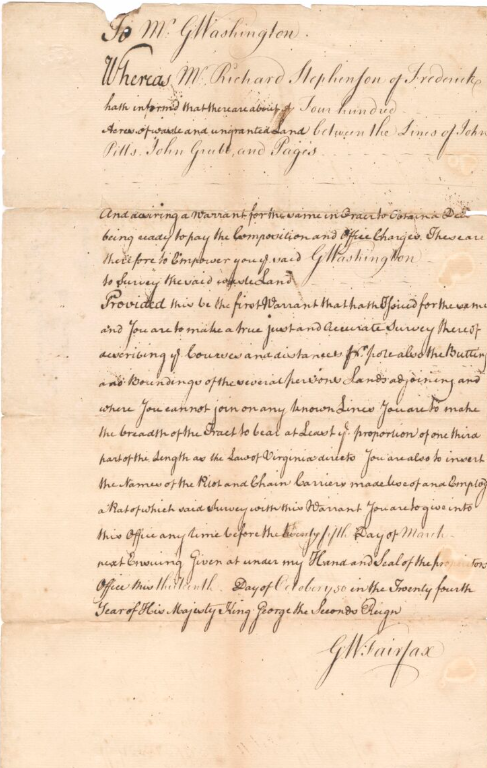
The survey warrant given to Washington by Lord Fairfax
Get in the habit of walking with your 8 lb. “rifle” — an 8 lb. dumbbell, kettlebell, fitness bar, short barbell, or an actual rifle. And try to log as many miles as you can while doing so. Why?
Well, things have changed a great deal in the last 250 years. Back then, the primary means of transportation was walking. According to How Your Step Count Compares to Men Across History, the average colonial man took 3 to 4 times as many steps per day than the average man of today. But I believe that number is actually far too low, probably by half. The Lake Poets (Wordsworth, Coleridge, and Southey), who haunted the Lake District of North West England in the late 18th and early 19th centuries, were famous for their very long walks. Samuel Taylor Coleridge routinely walked 15 miles a day. During one trip in late 1802, he walked an astonishing 268 miles in nine days –more than a marathon a day! Bear in mind, these fellows weren’t long-hunters, farmers, or explorers. They were just romantic poets. How many miles did soldiers, surveyors, and trappers walk in a day?
In a letter to Thomas Mann Randolph, Thomas Jefferson said, "If the body be feeble, the mind will not be strong. The sovereign invigorator of the body is exercise, and of all the exercises walking is best. A horse gives but a kind of half exercise, and a carriage is no better than a cradle.” As mentioned in the introduction, Jefferson advised two hours of walking each day, a half hour in the morning and the remainder later in the day, preferably while carrying a rifle. Try as I might, I was unable to find any other quotes by U.S. founding fathers regarding their walking habits. I suspect this is because walking was so much a part of everyday life, so completely unremarkable, that it wasn’t worthy of note.
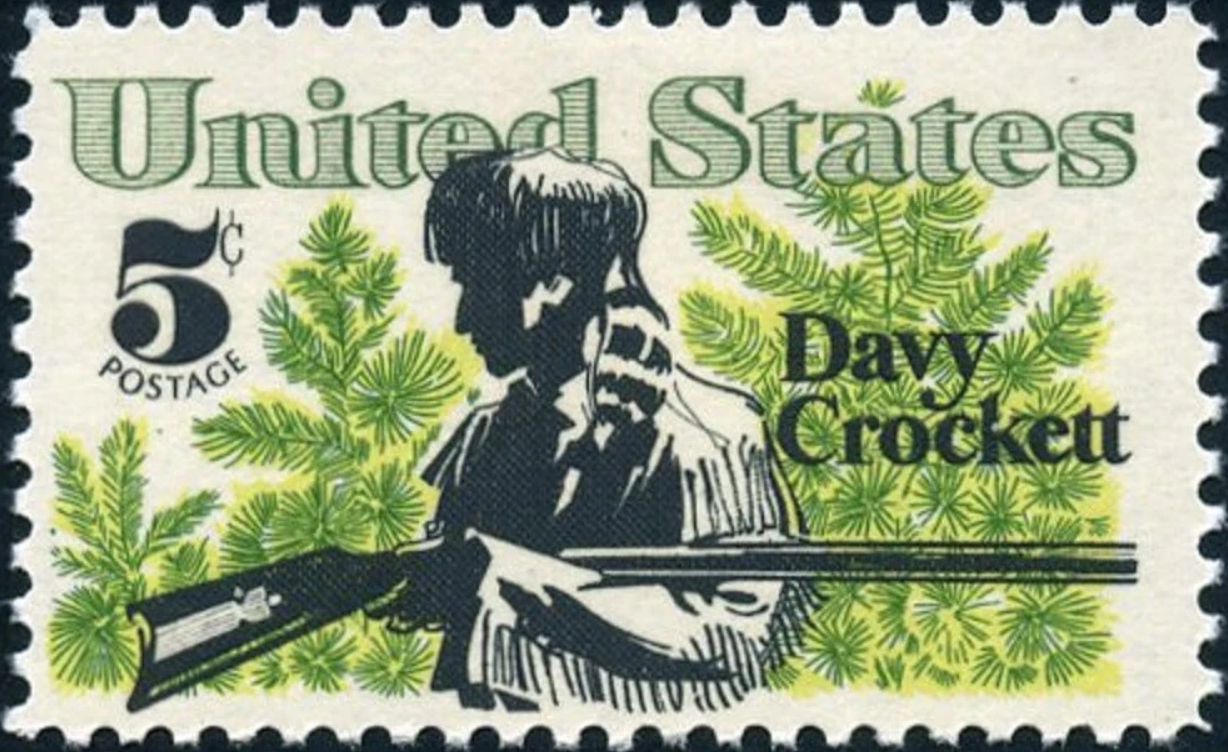
The famous five cent Crockett stamp, perhaps my favorite pop art piece. Pick up your dang rifle and walk. Just sayin’.
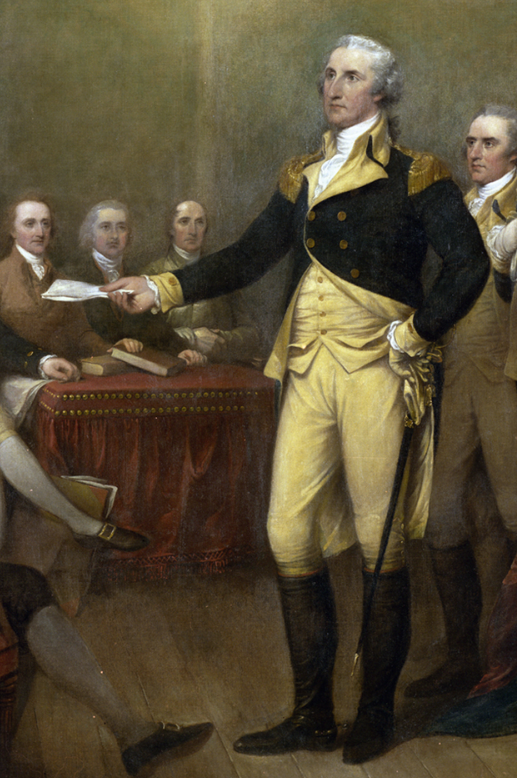
Washington, for example, doesn’t wax poetic about the importance of walking. But walk he did, often while carrying a rifle or a surveyor’s transit. In his youth, the Father of our Country was a professional land surveyor who covered hundreds of miles on foot. Between 1749 and 1752 – while in his late teens! -- Washington completed more than 190 land surveys across the western frontier of Virginia in just three years. You can see a copy of the famous survey warrant he was granted by Lord Fairfax obove and here. As a soldier and militiaman, he would’ve been accustomed to many long marches with a rifle. And let’s not forget that, as a wealthy landowner aged 38, he undertook a 700-mile tour of his tracts in the Ohio Valley, traveling by canoe, horse, and on foot as needed to complete the mission. You can read his journal of the trip here.
Once you have walked a substantive distance with a rifle – or with any other object that reduces or eliminates the ability of your arms to swing – you will see and understand the massive difference between walking with and without an object in hand. The military has been studying the effects for years. While the variables are many, and generalization is difficult, according to studies like Modeling the Metabolic Costs of Heavy Military Backpacking and The effect of weapon handling during load carriage across a range of military-relevant walking speeds, walking with an object like a rifle increases calorie burn, elevates heart rate, and increases isometric muscle contractions in the upper body without elevating GRF (ground reactive force). In short, walking with a rifle or weighted stand-in activates your core, shoulders, and biceps without putting stress on your knees, ankles, and feet.
But in the end, this isn’t as much about fitness as it is about the embodied experience of emulating the founders. It’s about doing, not talking. If you want to walk in the footsteps of the founding fathers, you need to literally walk. A lot. Preferably with a rifle.
Want more American Rough ‘n’ Tumble goodness? Click here to sign up today for our distance learning program!
Sacred Reading for Sunday, 7/5/26
Click here to sign up for daily motivational text messages!
...
Click here to sign up for daily motivational text messages! ...

Lectio Divina is an ancient way to interact with the Bible. Its four elements are reading, meditation, contemplation, and prayer. CLICK HERE for the Sunday Lectio exercise. To watch daily mass, CLICK HERE. For daily gospel reflections in your email box, SIGN UP HERE.
Or even better, go to church. The old-timers did, and it’s their steps we’re following in, right? So put on a collared shirt and saddle up.
In other news, the new t-shirts are in. If you want to make a donation to the charity, we can definitely get you one! Just click here.


