News and Updates:
Member referral program. Distance learners who get a friend to sign will earn a feat in the program — and you’ll both get a free shirt. Just tell them to put your name in the “referred by” slot on the application. Members in the RVA club, bring a friend and the same goes for you!
METTLE MAKER #507: Habitude 6 of the Founding Fathers
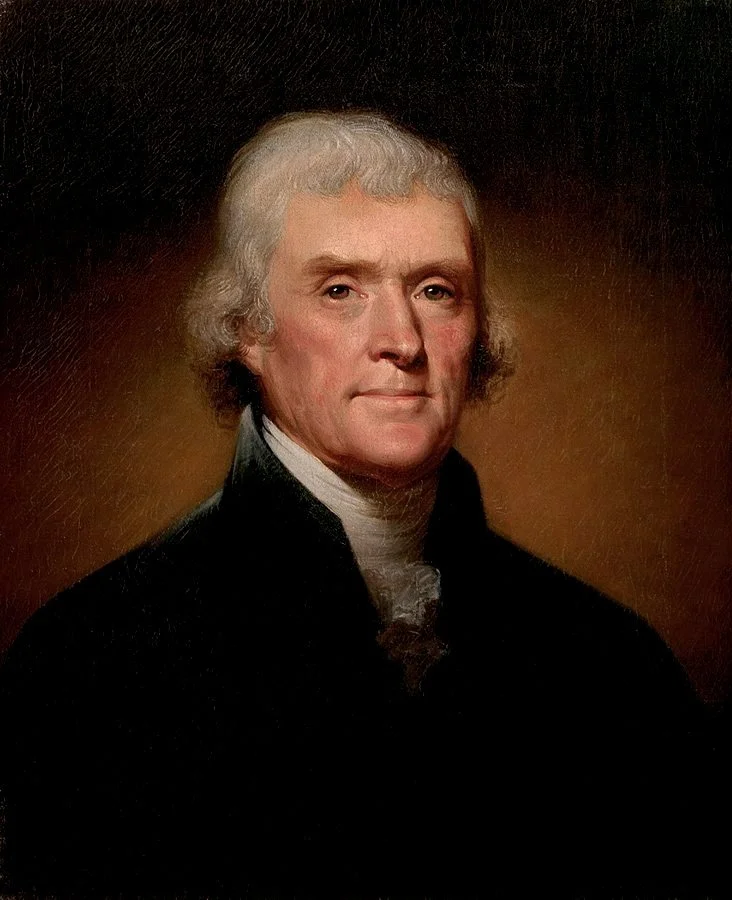
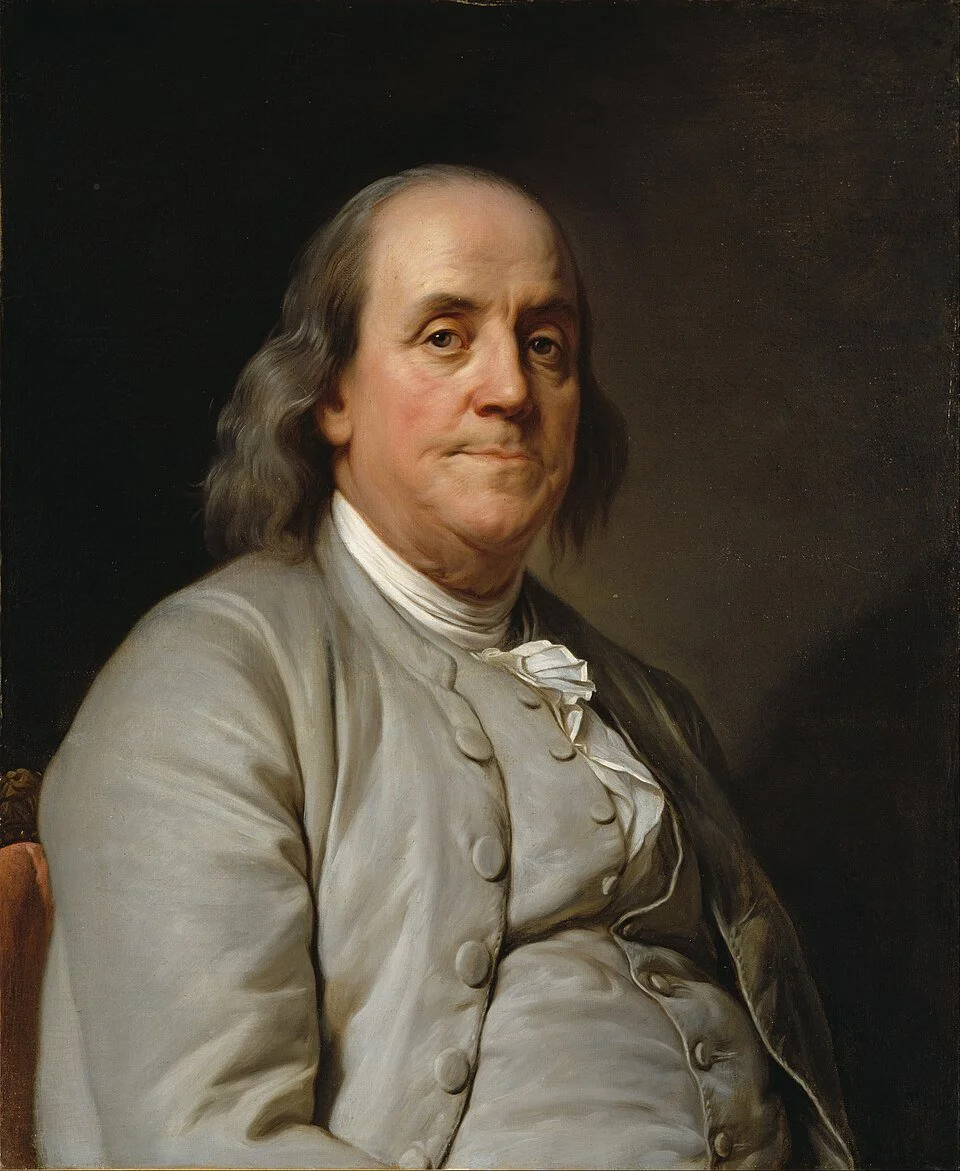
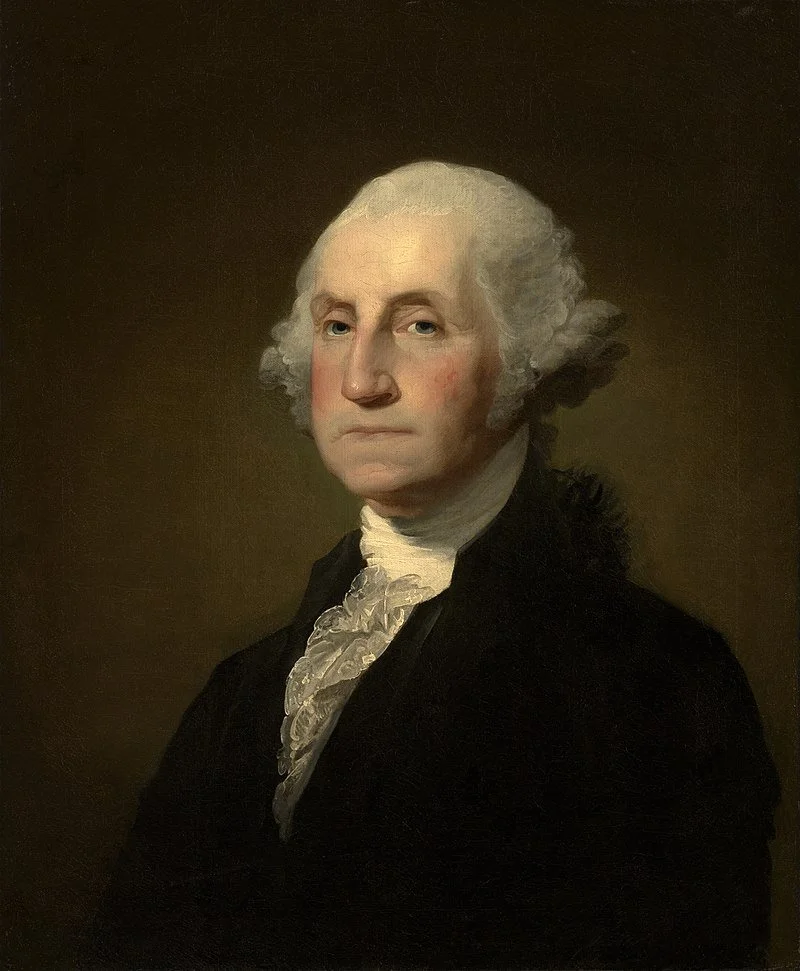
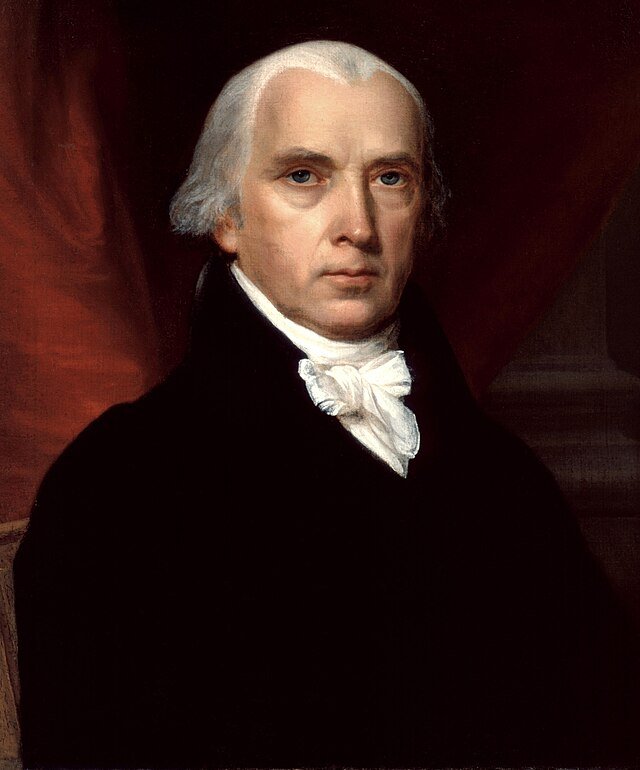
Join us in cultivating the 7 Habitudes of the Founding Fathers! Step into their mindset and embrace their ideals. Embody the view that personal self-government is a prerequisite for political self-government. It’s the the perfect way to celebrate the 250th Anniversary of the Signing of the Declaration of Independence and honor the great men who made it a reality. Post your experiences with this exercise using the hashtag #7H250.
Habitude 6: journal
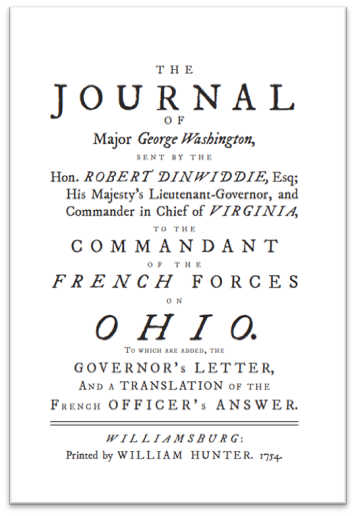
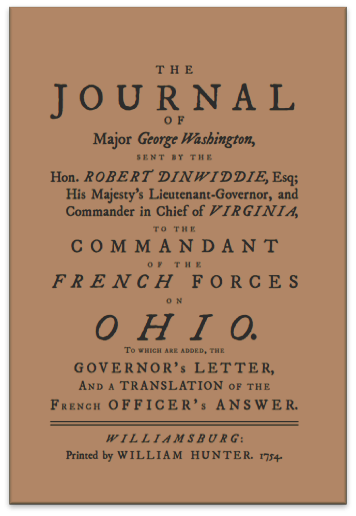
You can read Washington’s journal of his time as a Major in the Virginia Militia here.
We are untrustworthy critters, we humans. Among our most common habits are overactive imagination, procrastination, and lack of motivation. That is to say, we think up all manner of wild ideas – projects, cleanups, adventures and self-improvements galore – that we never seem to get around to doing. Then we manage to convince ourselves that our imaginary achievements amount to something.
This is an abuse of our God-given, life-saving imaginations, which our Creator gave us so that we might avoid catastrophic failures. We can imagine what might happen if we walked that tightrope and fell, and make a better choice. We can visualize the repercussions of spending our retirement savings on whirligigs and whimmy-dittles, and leave our accounts untouched. And as miraculous as the gift of imagination is, we are prone (to our great and frequent misfortune) to dreaming up potential consequences and solutions that propagate like images in a hall of mirrors. Lost in the funhouse of our imagination, visualization becomes the end rather than the means. Or perhaps we get stuck in a recursive loop of scenario building that results in the condition known as “analysis paralysis.” What’s the remedy to these mental maladies and psychological pitfalls?
Your journal.
This is where you keep yourself honest, speak frankly with yourself, and translate your dreams into to-do lists. This is where you make plans and set deadlines. This is where you self-evaluate, figure out where you went wrong so that you don’t repeat the mistake, and make notes about what you did right so that you can repeat the behavior.
Yes, you can record your personal feelings worries and concerns. But a journal is not the diary of a thirteen-year-old, freckle-faced kid basting himself in his growing pains and angst. It is the logbook of a ship’s captain steering his vessel toward new worlds. This is where you record what worked and what did not. This is where you make your to-do lists, your pro-and-con lists, sketch your maps, jot your notes, and so forth. Washington, Adams, Jefferson, Madison, and Franklin all kept extensive journals. And many who followed in their footsteps did the same, like Abraham Lincoln, Theodore Roosevelt, Harry Truman, and Ronald Reagan, to name a few.
Great men keep great journals.
Now, am I not a great man, not by a damn sight. But I want to be. And I’m convinced that I wouldn’t have amounted to nearly half as much if I hadn’t been journaling assiduously since I was a teenager. There’s nothing quite like looking back at a journal from a year or two past and realizing you were a total cad, loon, magoo, or twit. This is why I always advise a yearly journal review and the occasional long-range lookback on events of the past. Because we have a tendency to remember the best about ourselves and forget the worst, and because we seem to always be revising our own histories, a record of mistakes (and the rare success) is a powerful thing for keeping our heads screwed on straight.
If you journal in the morning, try to record your intentions for the day. Then, next morning, write a few words about how you did the previous day. If you journal in the evening, set your daily intentions in the morning and then evaluate at night. These are just ideas of course. It’s your journal, and it’s up to you to find your own way to work with it, and within it, for the benefit of yourself and world you inhabit.
Remember that for the founding fathers -- in whose footsteps you tread and whose ways you seek to emulate – true happiness is to be found in the pursuit of virtue.
Want more American Rough ‘n’ Tumble goodness? Click here to sign up today for our distance learning program!
Sacred Reading for Sunday, 7/26/26
Click here to sign up for daily motivational text messages!
...
Click here to sign up for daily motivational text messages! ...

Lectio Divina is an ancient way to interact with the Bible. Its four elements are reading, meditation, contemplation, and prayer. CLICK HERE for the Sunday Lectio exercise. To watch daily mass, CLICK HERE. For daily gospel reflections in your email box, SIGN UP HERE.
Or even better, go to church. The old-timers did, and it’s their steps we’re following in, right? So put on a collared shirt and saddle up.
In other news, the new t-shirts are in. If you want to make a donation to the charity, we can definitely get you one! Just click here.


