METTLE MAKER #514: Points, Sticks, and Thorns
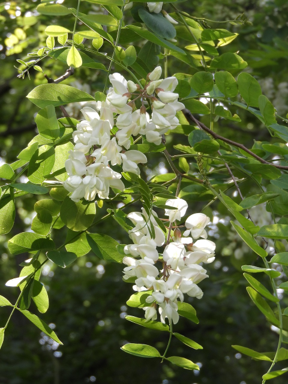
Black Locust Tree
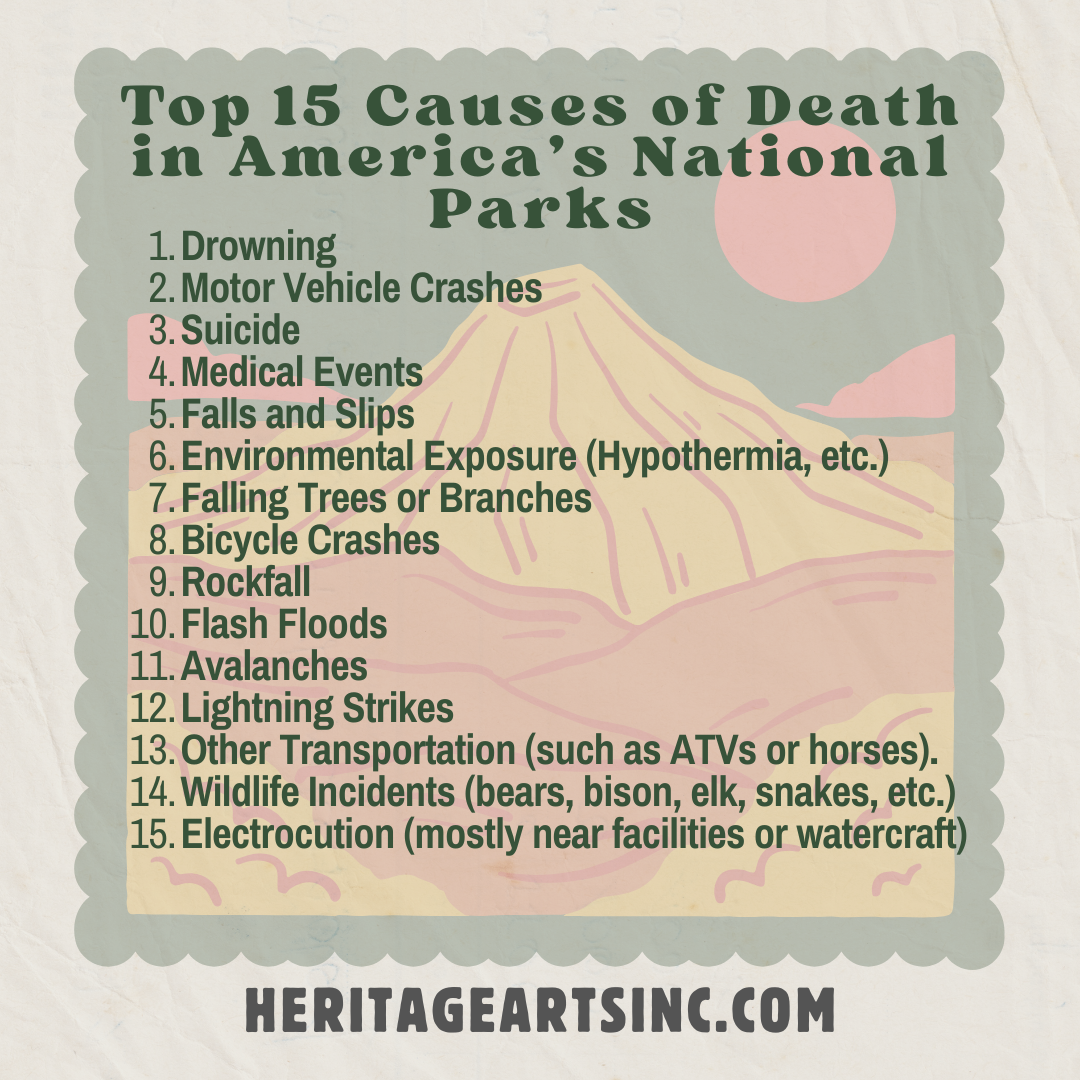
The most common way a tree can kill you is by falling on you. In fact, if you are in one of America’s national parks, you are more likely to be killed by a falling tree or limb than you are to be done in by a bear or a poisonous snake. But aside from falling on you – or you falling out one! – there is only one tree in North America that can kill you without eating it: the Black Locust tree.
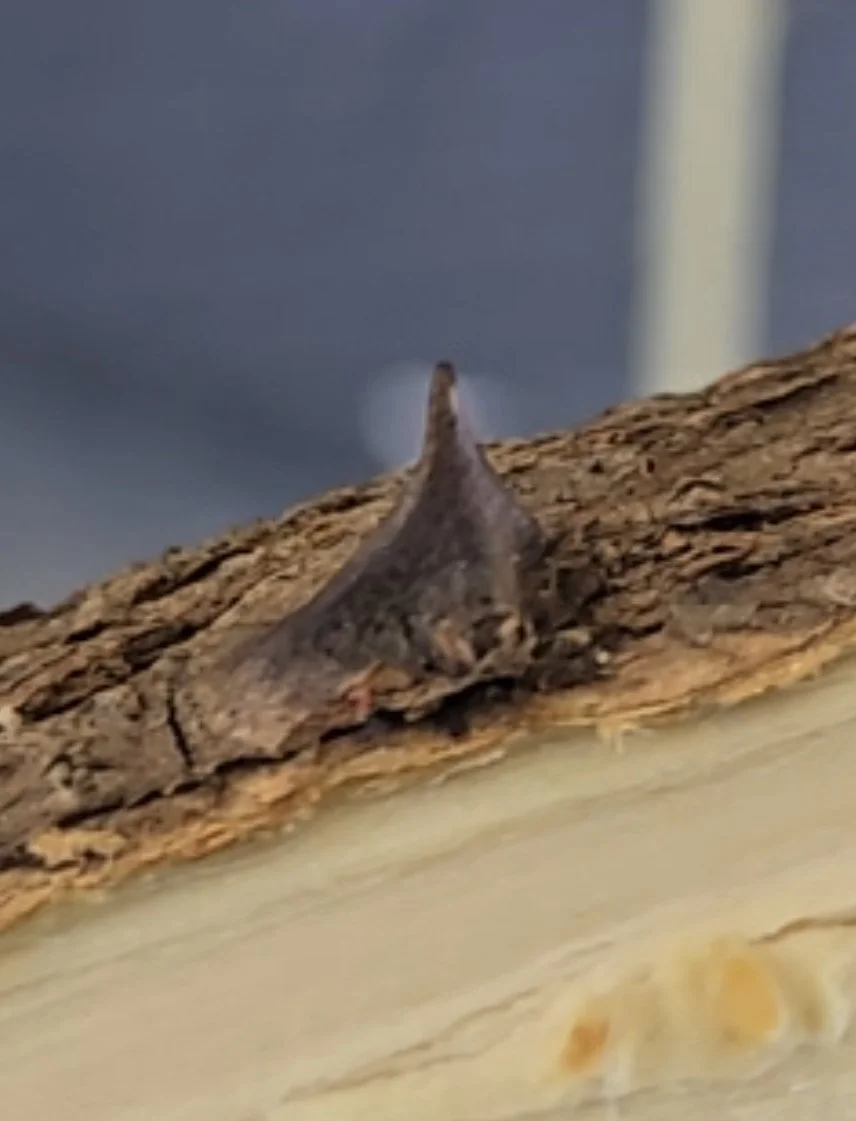
The bark, sap and thorns of the Black Locust (Robinia pseudoacacia) contain toxalbumins, which are plant toxins that inhibit protein synthesis and produce severe cytotoxic effects. These compounds bear similarities to those found in cholera, tetanus, diphtheria, botulinum, and some snake venoms. A stick from a Black Locust thorn can easily become infected and result in necrotizing fasciitis – “flesh eating disease.”
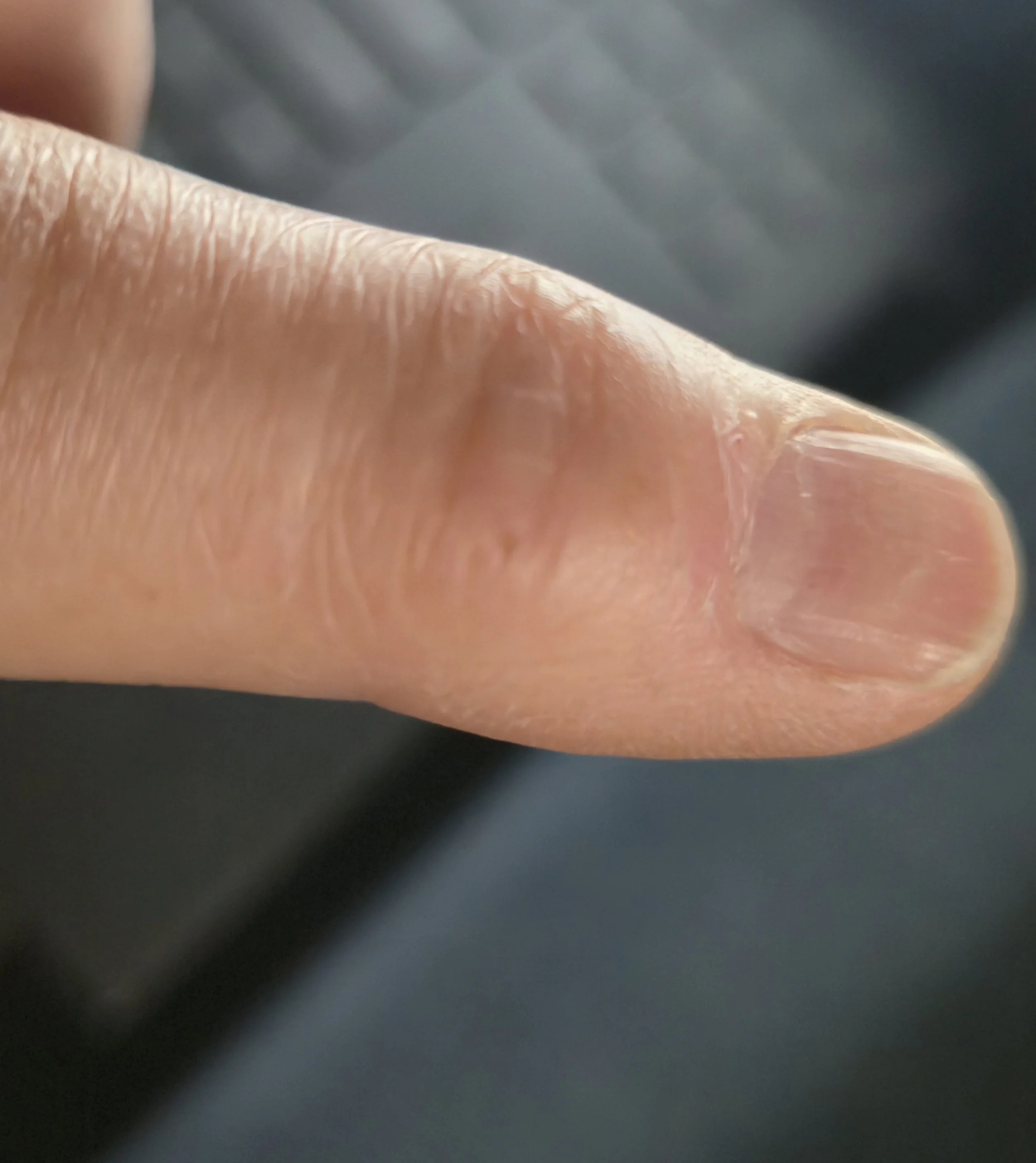
A week ago I went out to harvest a switch of Black Locust to make a bow and, like a darn fool, I let a thorn get me on the finger. The photo below is after a week of very thoughtful wound care, including nightly soaks in Epsom salts. As you can see, there is still a visible dot where it got me. I’ll be watching it closely for a another week or so to make sure it continues to heal properly.
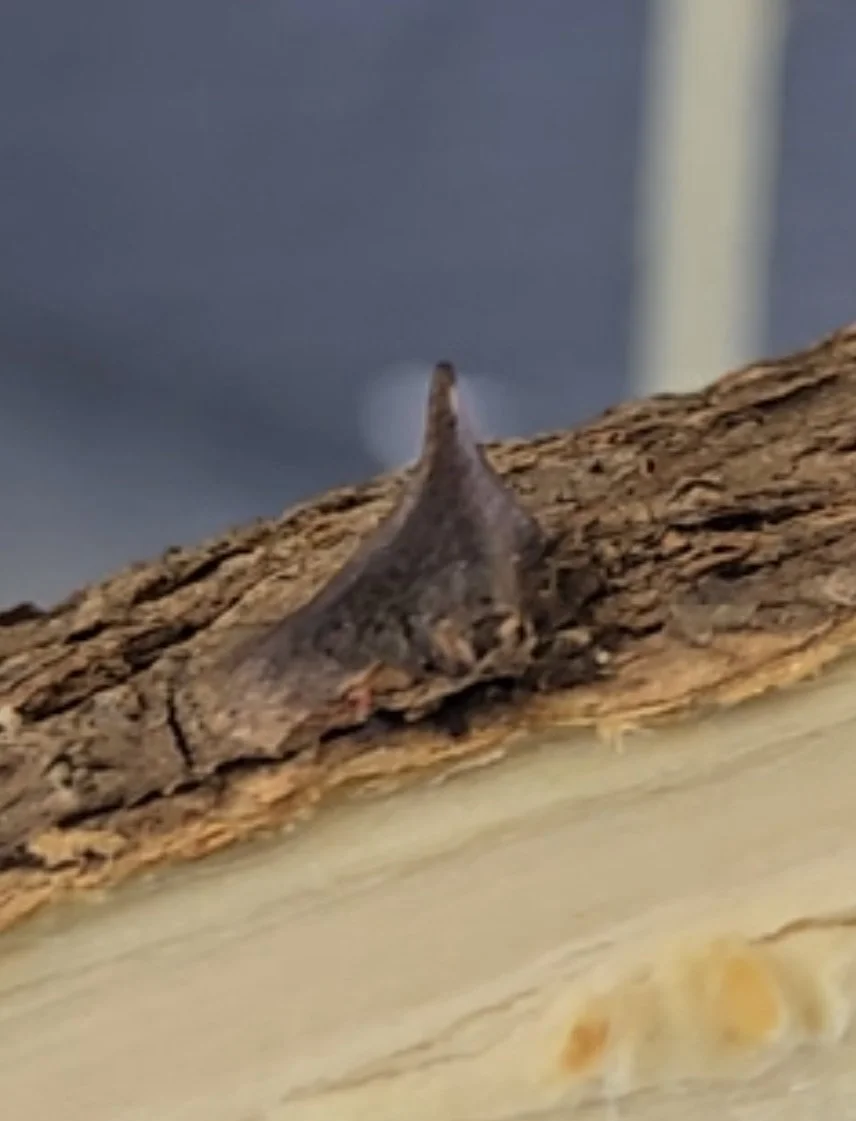
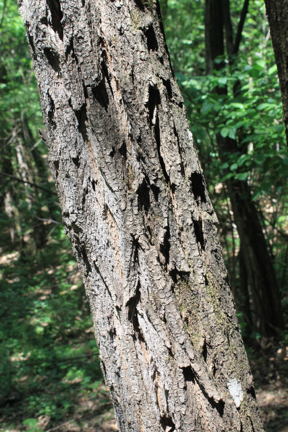
Always wear heavy gloves when handling Black Locust and thoroughly wash any part of your body that comes me in contact with this tree. If you are stuck by one of its thorns, make sure that you remove every single bit of the thorn from your skin. Even a microscopic scrap of subcutaneous bark can result in catastrophe. After removing the thorn, treat the wound by squeezing it until it bleeds. Then wash thoroughly while holding it open. Cover with an adhesive bandage, and soak it nightly in a strong mix of Epsom salts in warm water. At the first sign of any infection whatsoever – warmth around the wound, pus, swelling, redness, streaking, etc. – go to the doctor without delay.
This tree is no joke. For more background on these dangers, see this article from the NIH.
This Point Improves Focus
This Point Improves Focus
This is a period:
.
Stare at it for thirty seconds and you’ll improve your focus. No kidding. This technique is known as a Visual Anchor Protocol or Visual Focus Training. It works because narrowing your physical visual field forces your brain to narrow its attentional field. Mind, body, and spirit are one. The sooner we realize this, the better off we’ll all be. But I digress.
When you force your eyes to lock onto a single small target — like a period — your brain stem releases norepinephrine (which increases alertness) and acetylcholine (which acts like a spotlight to filter out background noise). For more on this topic visit the Huberman Lab website.
The Practice
1. Pick a Target: Find a single small point at the same distance as the work you are about to do (e.g., a period on your screen or a spot on the wall).
2. Stare for 30–60 Seconds: Keep your eyes fixed on that single point. Blinking is allowed, but try to avoid looking away or scanning the room.
3. Redirect When Your Mind Wanders: If your thoughts drift or your eyes slip away, gently bring them back to the dot. This redirection is exactly what trains your brain's "focus muscle".
4. Dive into Work: Immediately switch to your reading, writing, or studying task.
What does this have to do with outdoor skills? Again, mind, body, and spirit are one. Approaching the world with a sense of wonder (Wonder, by the way, is the first virtue of Heritage Rough ‘n’ Tumble) and inquisitiveness, we look at the details. Looking for tracks, looking for wild edibles, examining leaves, trying to spot bird species, and so on — these activities are like cognitive weightlifting. They improve your focus and make you stronger inside and out.
A TV screen contains one trillionth of the information density of an actual visual image. “The number of atoms in a physical scene dwarf the pixels on any screen.” How’s that for a memorable rhyme in poetic meter? When you look at a real-world object, you are seeing light reflecting off trillions of atoms and molecules. The "resolution" of reality is at the quantum, atomic scale, creating an infinite, continuous field of depth, texture, and light. An HD or 4K TV screen relies on a fixed grid of about 8.3 million pixels in three basic colors (Red, Green, and Blue). You cannot pack the infinite complexity of the physical universe into a flat grid of colored lights.
Screen time is cognitive baby food. Outdoor time is steak, potatoes, and haricot verts sauteed with garlic, salt, and black pepper.
So go outside and get dirty. You might prick your finger on a Black Locust thorn. But at least it’ll be real.
Want more American Rough ‘n’ Tumble goodness? Click here to sign up today for our distance learning program!
Sacred Reading for Sunday, 9/13/26
Click here to sign up for daily motivational text messages!
...
Click here to sign up for daily motivational text messages! ...

Divine Reading (“Lectio Divina”) of sacred scripture is an ancient way to interact with the Bible. Its four elements are reading, meditation, contemplation, and prayer. CLICK HERE for the Sunday Lectio exercise. To watch daily mass, CLICK HERE. For daily gospel reflections in your email box, SIGN UP HERE.
Or even better, go to church. The old-timers did, and it’s their steps we’re following in, right? So put on a collared shirt and saddle up.
In other news, the new t-shirts are in. If you want to make a donation to the charity, we can definitely get you one! Just click here.


